Faces of Taiwanese Tea: Chang Nai-Miao


Traditional Taiwanese tea culture is synonymous with Muzha Tieguanyin. And the story of Tieguanyin (鐵觀音) tea in Taiwan is centered on the life and work of Chang Nai-Miao (張迺妙), a tea master who lived from 1875 to 1955. He was born in the Daqijiao (大崎腳) area of Xindian (新店) during the late Qing Dynasty. His family originally came from Anxi (安溪) in Fujian, a region famous for producing tea. Chang lost his biological father at a young age and was raised by a stepfather who was a recognized tea master from Anxi. Under his stepfather’s instruction, Chang spent more than ten years learning the difficult skills of tea cultivation and refining. This early training in traditional Chinese methods provided the foundation for his later success in the Taiwanese tea industry.
During the late 19th century, local conflicts between Han Chinese settlers and indigenous groups in the Xindian area made life dangerous. Because of this instability, his stepfather eventually chose to return to mainland China. Chang Nai-Miao remained in Taiwan but decided to move to the Zhanghu (樟湖) area within the mountains of Muzha (木柵), which is today widely known as Maokong (貓空). He realized that the high altitude, frequent mist, and well-drained soil of Muzha were very similar to the environment of Anxi. This made it an ideal location to try growing the tea varieties he had learned about as a child.
The Migration of Tea Plants
The introduction of Tieguanyin to Taiwan happened in several stages. In 1895, at the age of 20, Chang traveled back to Anxi for ancestral rites. When he returned to Taiwan, he brought 12 Tieguanyin saplings with him and planted them in the soil behind his house in Muzha. While these first few plants were mostly for personal use and experimentation, they proved that the variety could thrive in Taiwanese soil. Encouraged by this, he returned to Anxi in 1896 and purchased another 1,000 saplings to start a more significant plantation in his own tea garden.

The most important expansion occurred around 1919. By this time, Chang was a respected figure in the local agricultural community. The Muzha Credit Union (木柵信用組合), led by Zhang Futang (張福堂), recognized the economic potential of specialty tea and commissioned Chang and his brother, Chang Nai-qian (張迺乾), to bring a large number of plants back from China. They secured 3,000 purebred Tieguanyin saplings from Anxi. Instead of keeping these plants for himself, Chang worked to distribute them among the farmers of the Muzha region. This collaborative effort ensured that Muzha would become the primary production center for Tieguanyin in Taiwan, a distinction the area still holds today.
The 1916 Competition and Dispute
One of the most famous events in Chang’s life took place in 1916 during the Taiwan Industry Exposition (台灣勸業共進會). This was a major event organized by the Japanese colonial government to showcase the island's progress. Chang entered a batch of Baozhong (包種) tea into the competition and won the Special Class Gold Medal (特等金牌賞). This was a huge achievement, as he was the first Taiwanese farmer to receive such a high honor from the Japanese Governor-General. However, his success caused a major controversy among other tea masters and merchants in the industry.
The other competitors did not believe that a farmer in Muzha could produce tea of such high quality. They filed a formal protest with the government, claiming that Chang had secretly imported the tea from the famous mountains of mainland China and was passing it off as his own. The Japanese officials took this claim seriously and initially gave Chang a temporary award certificate while they investigated. They sent a team of inspectors to Chang’s farm in the Muzha mountains to verify his skills. Under their strict supervision, Chang was required to pick fresh leaves from his garden and process them using his own equipment. When the resulting tea was found to be exactly the same as the award-winning batch, the government officially confirmed his gold medal. This event proved that the environment of Taiwan was capable of producing world-class tea if the right techniques were used.
Ten Years of Teaching
Because of his demonstrated skill, the Japanese colonial government hired Chang as a Circuit Tea Master (巡迴茶師) for the Taipei Prefecture (臺北州). He held this position for ten years, traveling throughout Northern Taiwan to teach farmers the best ways to grow and process tea. His work was a form of early agricultural extension, helping to standardize the quality of Taiwanese tea so it could be exported more effectively. During his travels, he was often accompanied by Japanese agricultural technicians who wanted to study his methods.
These technicians used scientific instruments to try to record Chang’s techniques. They measured factors like temperature, humidity, and the time required for different steps. However, they found that much of Chang’s skill was based on sensory experience rather than fixed numbers. For example, he could tell exactly when the fermentation of the leaves had reached the perfect point simply by smelling the changing aroma. The Japanese specialist, Miyamoto, eventually wrote that Chang’s craft was so mysterious and complex that it was difficult to capture with modern scientific tools. Despite this, the collaboration between Chang’s traditional knowledge and the government’s organizational support helped modernize the industry.
Technical Innovations in Tea
Chang Nai-Miao was constantly looking for ways to improve the financial situation of tea farmers. One of his most successful innovations was the development of Red Baozhong (紅包種) tea. In the past, farmers often found that older, tougher tea leaves harvested late in the season were worth very little money. Chang adapted techniques from Tieguanyin processing and applied them to these older leaves of the Qingxin Oolong (青心烏龍) variety. By using a heavier fermentation style known as "green leaf with red rim" (綠葉紅鑲邊), he created a tea with a deep, mellow flavor that was very popular. This allowed farmers to make a profit even from leaves that were previously considered waste.
He was also highly skilled in the production of what he called Puff Tea (凸風茶), which is now more commonly known as Oriental Beauty (東方美人). This tea relies on a unique interaction between the tea plant and a small insect called the tea green leafhopper. During the summer, these insects bite the tea buds, causing the plant to release chemical compounds that create a natural honey and fruit flavor. While many farmers viewed these insects as a pest to be killed with pesticides, Chang recognized that he could use them to create a high-value luxury product. He refined the processing steps to highlight the unique taste of these insect-bitten leaves. During his time, this tea was so rare and desirable that it could be sold for as much as 80 silver dollars per catty, making it more valuable than gold.
The Anxi Exchange of 1937
In 1937, just before the start of the Second Sino-Japanese War, Chang Nai-Miao made his fourth and final trip to Anxi. His brother, Chang Nai-sheng (張迺省), was living in Fujian and working as a vice president at a hospital, which helped facilitate the trip. During this visit, Chang spent a significant amount of time talking with the tea masters of Anxi to learn about the latest developments in their craft.
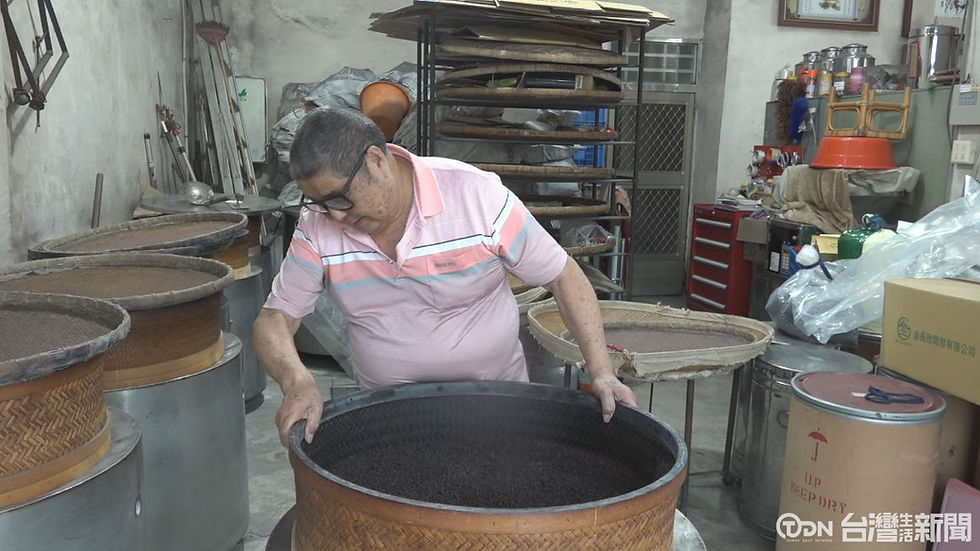
He specifically focused on the techniques of cloth-wrapped kneading (布包團揉) and slow-fire roasting (文火複焙). These steps are what define the modern style of Muzha Tieguanyin. Cloth-wrapped kneading involves placing the tea leaves in a large cloth ball and repeatedly pressing and rolling them to create a tight, curled shape. This process must be done dozens of times while the leaves are still warm from the roasting pan. Slow-fire roasting uses very low heat over a long period to develop the deep, "roasted fruit" flavor and the characteristic "Guanyin Rhyme" (觀音韻) that tea drinkers look for. By bringing these specific methods back to Muzha, Chang ensured that his community would produce a tea that was distinct from any other variety in Taiwan.
The Discovery of Siji Chun
The influence of the Chang family on Taiwanese tea did not end with Chang Nai-Miao. His grandson, Chang Wen-hui (張文輝), also became a prominent tea master. In the 1980s, Chang Wen-hui was working on the Yajiao Guan (鴨角冠) mountain behind his tea garden in Muzha. While clearing the area to collect wood for his tea-roasting fires, he noticed a particular tea plant that was different from the others. Even in the cold winter months when traditional varieties were dormant, this plant continued to bud and grow vigorously.
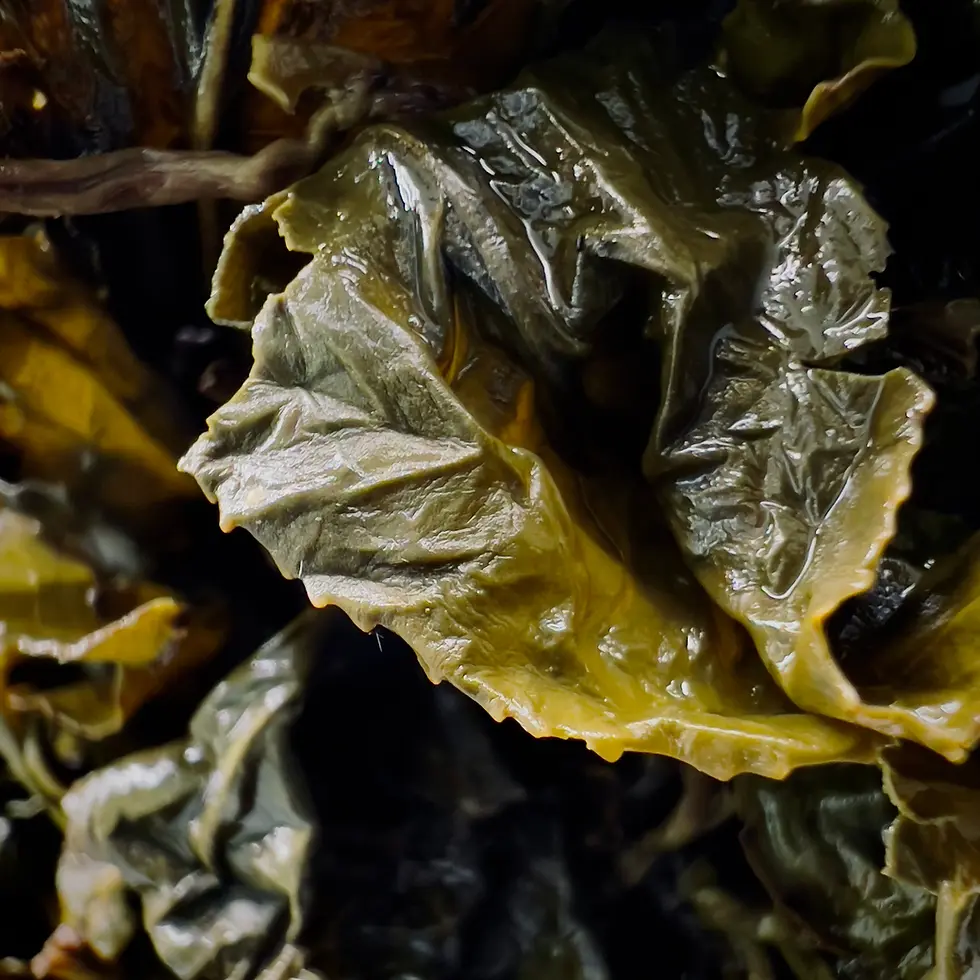
He decided to process the leaves from this single plant and found that it produced a tea with a very strong floral aroma, similar to the scent of gardenia or wild ginger flowers. He began to propagate the plant using a method called layering, where branches are pressed into the soil to grow new roots. At first, the variety was known locally as the "Hui-zi species" (輝仔種), named after Chang Wen-hui’s nickname. Later, a tea merchant named Zhang Zishan (張子善) suggested the name Siji Chun (四季春), which means "Four Seasons Spring," because the plant could be harvested in every season. Because it is very hardy, grows quickly, and has a popular scent, Siji Chun eventually became one of the most widely planted tea varieties in Taiwan, especially in the plains of Nantou.
The Memorial Hall and Legacy

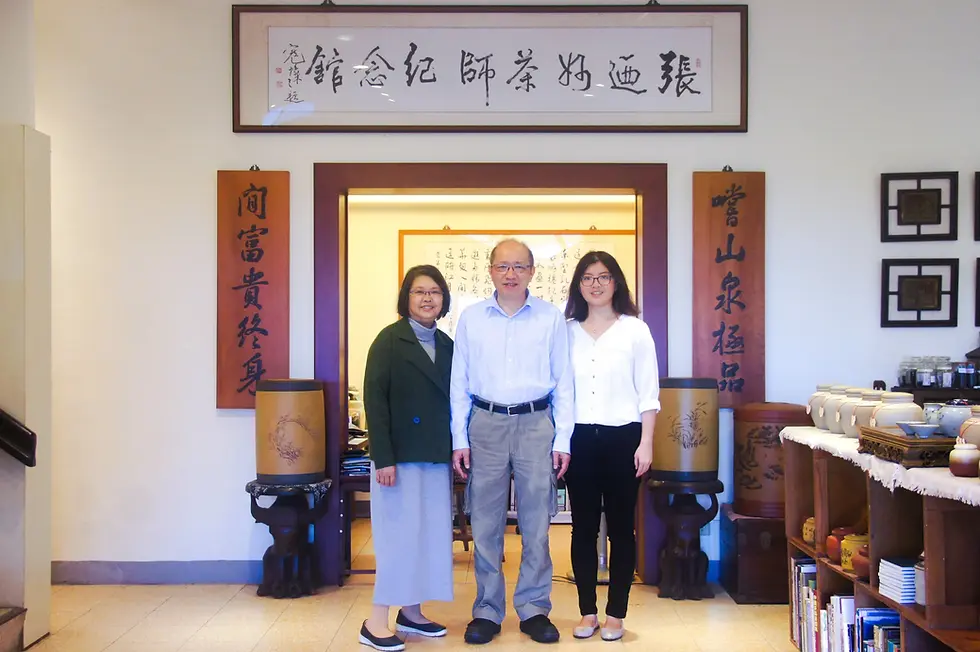
To celebrate the 100th anniversary of the arrival of Tieguanyin in Taiwan, the Chang family established the Chang Nai-Miao Tea Master Memorial Hall (張迺妙茶師紀念館) in Muzha. The project was started by Chang Nai-Miao’s fourth son, Chang Gui-fu (張貴富), and was completed by his grandson, Chang Wei-yi (張位宜), who left his job in furniture design to run the facility. The hall officially opened on July 1, 1995, in the same area where the first Tieguanyin plants were grown a century earlier.
The memorial hall serves as an educational center for both local residents and tourists. It is divided into six major areas that cover the history of tea in Muzha, the different types of tea grown in Taiwan, and the traditional tools used in tea making. One of the highlights of the hall is a collection of Yixing purple clay teapots, known as Zisha (紫砂) pots, which are the traditional choice for brewing Tieguanyin because of how they hold heat and enhance the flavor. The hall maintains a very traditional environment; they do not allow food or alcohol on the premises because strong smells would interfere with the delicate aroma of the tea being tasted.
Faith and Community Leadership
A significant part of the Chang family history is their long-standing connection to the Presbyterian Church (長老宗) in Taiwan. Chang Nai-Miao was an active member of the church, and this religious identity influenced how the family interacted with their community. His son, Chang Gui-fu, was not only a tea expert but also a teacher at the local agricultural school and a founder of the Living Stone Christian Church in Muzha. This commitment to education and social service helped the family maintain their respected position in society through many political changes in Taiwan, from the Japanese colonial era to the post-war period.
The family legacy continues through various professional fields, but they remain deeply tied to the tea gardens of Muzha. Today, Muzha Tieguanyin is recognized as a high-quality specialty product that represents the history and culture of the region. While many other tea regions have moved toward fully automated production, the farmers in Muzha—many of whom were taught by the Chang family—still use the labor-intensive methods of roasting and kneading that were perfected by Chang Nai-Miao. This dedication ensures that the unique character of the tea he first brought from Anxi in 1895 is preserved for future generations.
Experiment with Chang Nai-Miao's legacy
Sources
Taipei City Gazetteer (臺北市志), Vol. 8, Biographies.
Wen Zhenhua, Muzha Tea History (木柵茶史), Wu San-lian Taiwan Historical Materials Foundation.
Liao Zih-Jyun, "The Transmission and Transformation of Muzha Tieguanyin Tea Flavor," National Museum of Natural Science.
Chang Nai-Miao Tea Master Memorial Hall, Official Website and Historical Archives.
Taipei City Government Department of Agriculture, "Muzha Tieguanyin History."
"The Discovery of Siji Chun Species," Teasist and JSY Tea Knowledge Base.
"Tea Master Chang Nai-Miao's Biography," UDN Blog.
Wang Tea History Archive, "The Dynasty Period of Taiwan Tea."
Liao Changxing Tea Industry, "What is Siji Chun Tea?"
"Obituary of Elder Chang Wen-hui of Wenshan."